

Supporting Better Foot Mechanics Through Individualized Orthotic Design
A new pair of cushioned shoes can feel wonderful on Monday, yet by Friday the familiar ache may be back. For someone who spends hours serving customers, walking hospital corridors, or simply keeping up with a busy family, sore feet are more than a minor annoyance. Extra padding can soften the impact of each step, but it cannot always change where pressure builds or how the foot moves. That is where foot orthotics may have a different role. Custom-made orthopedic insoles are designed around individual needs, with the aim of supporting particular areas rather than adding the same layer of softness for everyone.
Consider two people who both complain about painful arches. One has limited movement at the ankle, while the other loads one side of the foot more heavily when walking. Giving them identical inserts may overlook what makes each case different. Foot mechanics involve a moving combination of joints, muscles, tendons, and body weight. An orthotic can sometimes redistribute pressure or influence how forces pass through the foot, but it does not need to force every arch into a supposedly perfect shape. Normal feet vary. The useful question is whether a specific change in support could make everyday activity more comfortable.
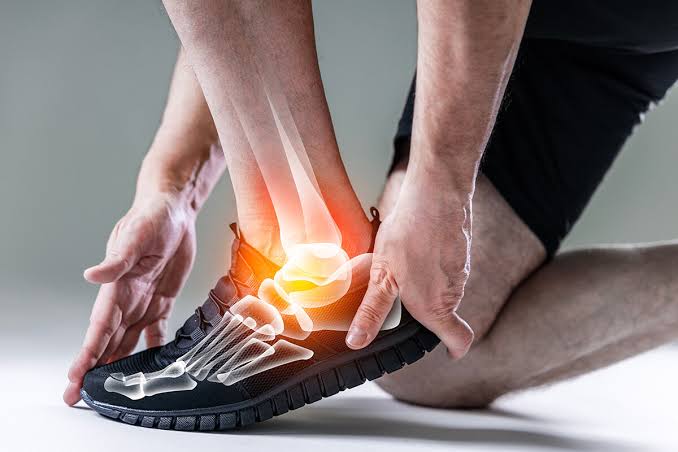
Finding that answer begins with a conversation and a physical examination, not with choosing a material from a catalogue. A clinician may ask when symptoms appear, inspect the shoes worn most often, and check tenderness, joint mobility, and walking patterns. Pressure measurements or a digital gait scan can add information when appropriate, although no colorful chart can explain pain on its own. If custom insoles are recommended, their shape, firmness, and placement of support can be selected to suit the findings. The finished device should also fit the footwear it will actually be used in. An impressive design is little help if the shoe becomes too tight.
There is a practical side to getting used to new support, too. Some people notice immediate comfort, while others need time and small adjustments before an insert feels natural. A qualified provider can explain how to increase wear gradually and which signs mean the fit needs checking. More importantly, custom insoles are not the answer to every painful foot. Symptoms caused by nerve problems, inflammatory conditions, or an injury may require different care. Even for mechanical discomfort, strengthening exercises, suitable footwear, and changes to activity can matter. Orthotics work best when they are chosen for a clear reason, rather than treated as a universal fix.
The real measure of success happens outside the appointment room. Can someone finish a work shift with less soreness, enjoy a longer walk, or move through ordinary errands without planning every stop around their feet? Those are worthwhile goals, and they give the clinician something concrete to review at follow-up visits. Anyone considering foot orthotics should expect an explanation of the findings, realistic expectations, and an opportunity to discuss what is or is not improving. Custom-made support may help address contributing mechanical factors, not merely cover up discomfort with padding. Sometimes a thoughtful fitting makes all the difference, and sometimes the best next step is a different kind of treatment.
…